A guide for when life gets hard
Nutrition & Nervous System
The gut-brain connection, explained — how food regulates your nervous system when life gets hard.
You're not alone in this.
What you eat and how you eat it isn’t separate from your mental health — it’s one of the most direct levers you have on your nervous system. The gut produces roughly 90% of the body’s serotonin and communicates constantly with the brain through the vagus nerve, which means blood sugar swings, gut inflammation, and even the timing of your meals can shape whether you feel anxious, foggy, or calm on any given day.
This isn’t a diet hub. You won’t find calorie counts or weight-loss plans here. What you’ll find is nutritional psychiatry — the real, evidence-based relationship between food and mood — applied specifically to the transitions this site is built around: eating through grief, rebuilding appetite after burnout, steadying blood sugar during anxiety, and cooking for yourself again after a life-shaking change.
Your recovery pathway
Five science-backed stages from crisis to thriving
-
01Stabilize Restore safety and calm
-
02Regulate Manage emotions and energyThis journey
-
03Rebuild Strengthen your foundations
-
04Adapt Embrace the new normal
-
05Thrive Create a life you love
Books hand-picked for this journey
Every title below has been chosen because it speaks directly to where you are right now — and where you are going.


The Hidden Grief of Retirement
Retirement can feel like a loss, even when you chose it. A science-based guide to grieving…

The Worry Rewire Workbook: The Complete 21-Day Practice System
Understanding anxiety is not the same as changing it. Book One gave you the neuroscience. …
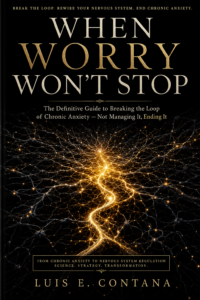
When Worry Won’t Stop: The Definitive Guide to Breaking the Loop of Chronic Anxiety
You have tried managing worry. Breathing through it, thinking positively about it, pushing…
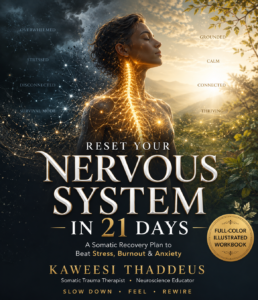
Reset Your Nervous System in 21 Days
A 21-day, body-first somatic workbook for resetting an exhausted nervous system. Grounded …

Your Window of Tolerance
The window of tolerance is the zone where life happens. This clinical-depth companion to T…
Personalised guidance
Discover your personal
resilience profile
The free 5-minute Strong Through Change Assessment reveals exactly which stage of the framework you're in right now — and gives you a tailored reading path to help you move forward.
Insights to guide your journey
Questions people ask when facing this challenge
You're not the first to feel this way — and you won't be the last. Here are honest answers to the questions we hear most.
Get personalised guidance →-
No. Generic healthy-eating advice rarely accounts for what's actually happening in your body during a crisis — appetite loss during grief, cortisol-driven cravings during burnout, or the blood-sugar crashes that can mimic and worsen panic attacks. Everything here is written through the same nervous-system-informed lens as the rest of Strong Through Change, not a general wellness angle.
-
It's the two-way communication network between your digestive system and your brain, running largely through the vagus nerve — the same nerve responsible for much of your nervous system's rest-and-digest response. Your gut produces a significant share of your body's serotonin, and gut inflammation is increasingly linked to anxiety and depression in the research. It's a real, growing field called nutritional psychiatry, championed by researchers and clinicians like Dr. Uma Naidoo.
-
Especially for you. Several of the guides here are written specifically for the moments when a full meal feels impossible — grief-week eating, burnout-proof one-pan meals, and food for the days when self-care feels like too much to ask. Nourishment does not have to mean effort.
-
Yes, but always in service of a specific transition — never a general recipe archive. A recipe here exists because it calms a dysregulated nervous system, rebuilds appetite after a crisis, or fits into a life that currently has no time to cook, not because it's simply a good dinner.
-
No. This hub explains the research on food, mood, and the nervous system in plain language, but it isn't a substitute for a registered dietitian, doctor, or therapist — especially if you're navigating disordered eating, a diagnosed condition, or significant appetite changes. Use it as a starting point for understanding, not a treatment plan.