A guide for when life gets hard
Anger & Emotional Regulation
Anger is information — learning to listen to it without letting it lead.
You're not alone in this.
Anger is not the problem — it is a natural, necessary signal that something important is at stake. The challenge is what we do with it. Explosive anger damages relationships and health. Suppressed anger turns inward and corrodes. The goal is anger that is felt, understood, and expressed in ways that serve rather than destroy.
These books approach emotional regulation with nuance — honoring the intelligence in difficult emotions while offering practical tools for navigating them with skill.
Your recovery pathway
Five science-backed stages from crisis to thriving
-
01Stabilize Restore safety and calm
-
02Regulate Manage emotions and energyThis journey
-
03Rebuild Strengthen your foundationsThis journey
-
04Adapt Embrace the new normal
-
05Thrive Create a life you love
Books hand-picked for this journey
Every title below has been chosen because it speaks directly to where you are right now — and where you are going.



The Hidden Grief of Retirement
Retirement can feel like a loss, even when you chose it. A science-based guide to grieving…

Designing Meaningful Success: The Complete Guide to Excavating Your Values, Designing a Life That Lasts, and Sustaining It for Good
You stopped the bleeding — so what do you actually build? Designing Meaningful Success pic…
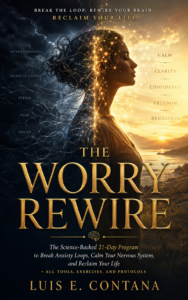
The Worry Rewire Workbook: The Complete 21-Day Practice System
Understanding anxiety is not the same as changing it. Book One gave you the neuroscience. …
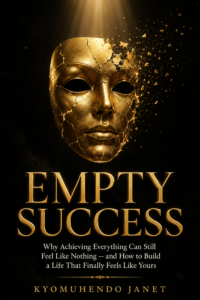
Empty Success: Why Achieving Everything Can Still Feel Like Nothing-and How to Build a Life That Finally Feels Like Yours
You did the thing. So why don't you feel anything? Empty Success names a pattern therapy d…
Personalised guidance
Discover your personal
resilience profile
The free 5-minute Strong Through Change Assessment reveals exactly which stage of the framework you're in right now — and gives you a tailored reading path to help you move forward.
Insights to guide your journey
The Intelligence of Anger: Learning to Work with Your Most Misunderstood Emotion
Anger is not the problem. Unexamined, unregulated anger is. Understanding what your anger is actually telling you is the first step to using it rather than bein…

Questions people ask when facing this challenge
You're not the first to feel this way — and you won't be the last. Here are honest answers to the questions we hear most.
Get personalised guidance →-
A short fuse usually has roots in one or more of: unprocessed pain, chronic stress, sleep deprivation, a family culture where anger was the dominant emotional expression, or an untreated condition like ADHD or depression. Understanding the root is the beginning of changing the response.
-
It depends on how. Constructive expression (assertively naming the need or violation, setting a boundary, addressing the issue) is healthy. Venting by screaming or aggressive release does not reduce anger — research shows it amplifies it. The goal is processing, not discharge.
-
Start by getting curious rather than defensive. When does it happen, with whom, about what? What were you feeling just before the anger — often there's hurt, fear, or shame underneath. Work with a therapist if patterns are deep or long-standing.
-
Yes. Slow, diaphragmatic breathing activates the parasympathetic nervous system and reduces physiological arousal within minutes. Cold water on the face or wrists can help. And when possible, a brief physical separation (the classic "count to ten") creates the pause that judgment requires.