Stabilize
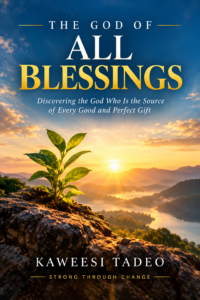
The God of All Blessings
In Luganda, the word for blessing is omukisa, and you hear it all day long. This gift book…
A guide for when life gets hard
Recovery is not just stopping — it's building a life where you don't need to escape.
Addiction is not a moral failing. It is a response — often a very understandable one — to pain, trauma, disconnection, or stress. Understanding this changes the conversation from blame to compassion, and opens up far more effective paths to healing.
The books in this collection span the science of addiction, the lived experience of recovery, and the relational and spiritual dimensions of building a life that feels worth being fully present for.
Your recovery pathway
Five science-backed stages from crisis to thriving
Every title below has been chosen because it speaks directly to where you are right now — and where you are going.
In Luganda, the word for blessing is omukisa, and you hear it all day long. This gift book…
Personalised guidance
The free 5-minute Strong Through Change Assessment reveals exactly which stage of the framework you're in right now — and gives you a tailored reading path to help you move forward.
Addiction is not a failure of character. It is a complex interaction of neurobiology, psychology, and environment — and recovery requires understanding all thre…
You're not the first to feel this way — and you won't be the last. Here are honest answers to the questions we hear most.
Get personalised guidance →The most accurate answer is: it's a complex brain condition with strong genetic, environmental, and psychological components that interacts with choice. Early use often involves choice; the developed disorder involves compulsion. The disease framework is helpful for reducing shame; acknowledging agency is helpful for recovery.
Abstinence means complete avoidance of the substance or behaviour. Harm reduction aims to reduce the negative consequences of use without requiring complete abstinence. Both are valid approaches depending on the individual, the substance, and the context. The books here represent both perspectives.
Educate yourself on addiction and recovery. Detach with love — you are not responsible for their recovery. Maintain clear, consistent boundaries. Don't enable the addiction but don't abandon the person. Seek support for yourself (Al-Anon, therapy). Your own wellbeing is not selfish — it's necessary.
Very strong. Studies suggest that 50–75% of people with substance disorders have a trauma history. Substances (and other addictive behaviours) are often effective at numbing traumatic pain in the short term. Comprehensive addiction treatment increasingly addresses trauma as a primary factor.