Stabilize
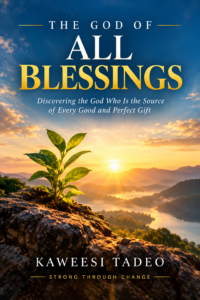
The God of All Blessings
In Luganda, the word for blessing is omukisa, and you hear it all day long. This gift book…
A guide for when life gets hard
When your body changes the story — learning to live well with uncertainty.
A serious diagnosis — or the slow grinding reality of chronic illness — changes everything. It changes your relationship with your body, with time, with plans, with the people who love you. The grief is real, and so is the potential for a deeper understanding of what matters.
These resources were selected to honour the hard parts without diminishing them, and to offer genuine insight for those learning to live well within a new set of limits.
Your recovery pathway
Five science-backed stages from crisis to thriving
Every title below has been chosen because it speaks directly to where you are right now — and where you are going.
In Luganda, the word for blessing is omukisa, and you hear it all day long. This gift book…
Becoming a mother is not a crash. It's a becoming. Matrescence, the developmental transfor…
Personalised guidance
The free 5-minute Strong Through Change Assessment reveals exactly which stage of the framework you're in right now — and gives you a tailored reading path to help you move forward.
A serious health diagnosis does not just change your physical life. It rewrites your sense of self, your relationship with the future, and what it means to live…
You're not the first to feel this way — and you won't be the last. Here are honest answers to the questions we hear most.
Get personalised guidance →Some anxiety is adaptive — it motivates self-care and medical follow-up. Problematic health anxiety tends to focus on worst-case scenarios. Helpful strategies include scheduled worry time, somatic grounding, and working with a therapist who specialises in health psychology. Several books here address this directly.
You don't owe anyone more information than you choose to give. For those you do tell: lead with what you need (practical help, or just acknowledgment). Prepare for imperfect responses — most people struggle to know what to say. The books in this hub include guidance on navigating these conversations.
Completely normal. Any significant health change involves a loss — of the body you had, the life you planned, the certainty you once took for granted. That deserves to be grieved, regardless of prognosis.
Illness can feel all-consuming, but it is not all of who you are. Strategies that help: maintaining even small rituals from "before", connecting with communities where your illness is not your primary identity, and working with values rather than roles (what you care about, not what you can do).