Thrive
Digital
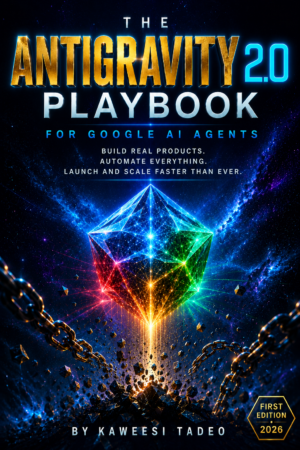
Antigravity 2.0 Playbook
The complete builder's playbook for Google's AI ecosystem — 75+ blueprints, 500+ tested prompts, 40+ step-by-s…
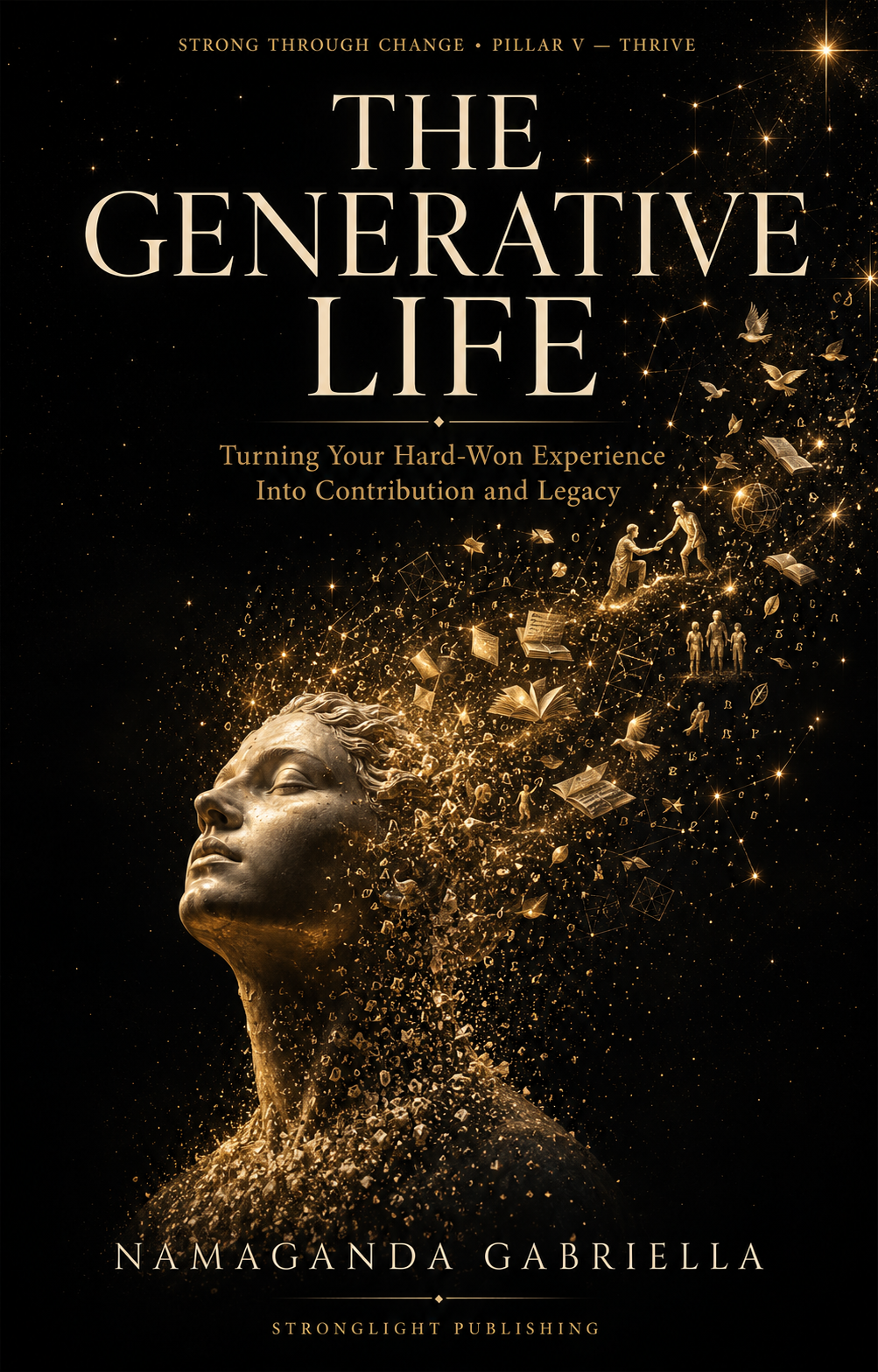
The deepest form of post-change growth is generativity — the shift from survival to contribution, from rebuilding to giving back. This inspiring guide explores how the wisdom you have earned through difficulty can become one of your most important gifts to the world.
Who this is for
People who are further along in their healing journey and ready to explore how their experience can become contribution. Those entering the second half of life who want a framework for the work of generativity.
Look Inside This Book
Read the first 20 pages free — no sign-up required.
Loading preview…
You've reached the end of the free preview.
Get the full book and continue your journey.
No reviews yet — be the first to share your thoughts.
The complete builder's playbook for Google's AI ecosystem — 75+ blueprints, 500+ tested prompts, 40+ step-by-s…
Major change is a brutal but effective teacher, and what it teaches leaves marks. This empowering guide helps …
The capacity to be fully present — to inhabit your actual life with attention, openness, and appreciation — is…